Why this problem felt personal
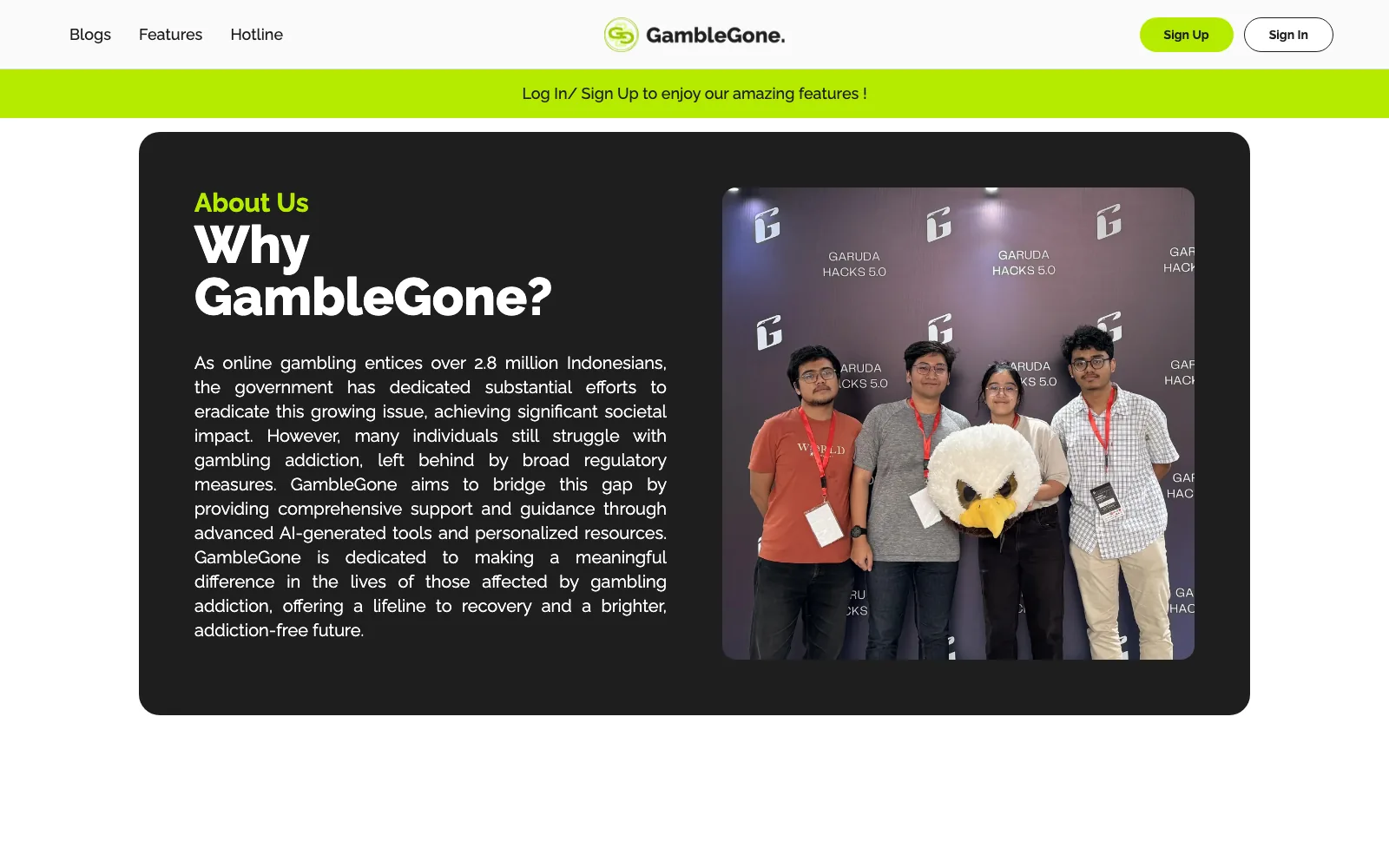
GambleGone is our attempt to make recovery from online gambling feel less lonely. We built it after seeing gambling addiction become increasingly visible in Indonesia while accessible recovery support remained difficult to find.
I have never experienced the consequences faced by someone with a gambling addiction, so I do not want to pretend our experiences are the same. But my own experience with stocks taught me how emotionally consuming it can be to watch money rise and fall. That gave me a small window into the pull behind gambling and made me want to build something that could help people move in a healthier direction.
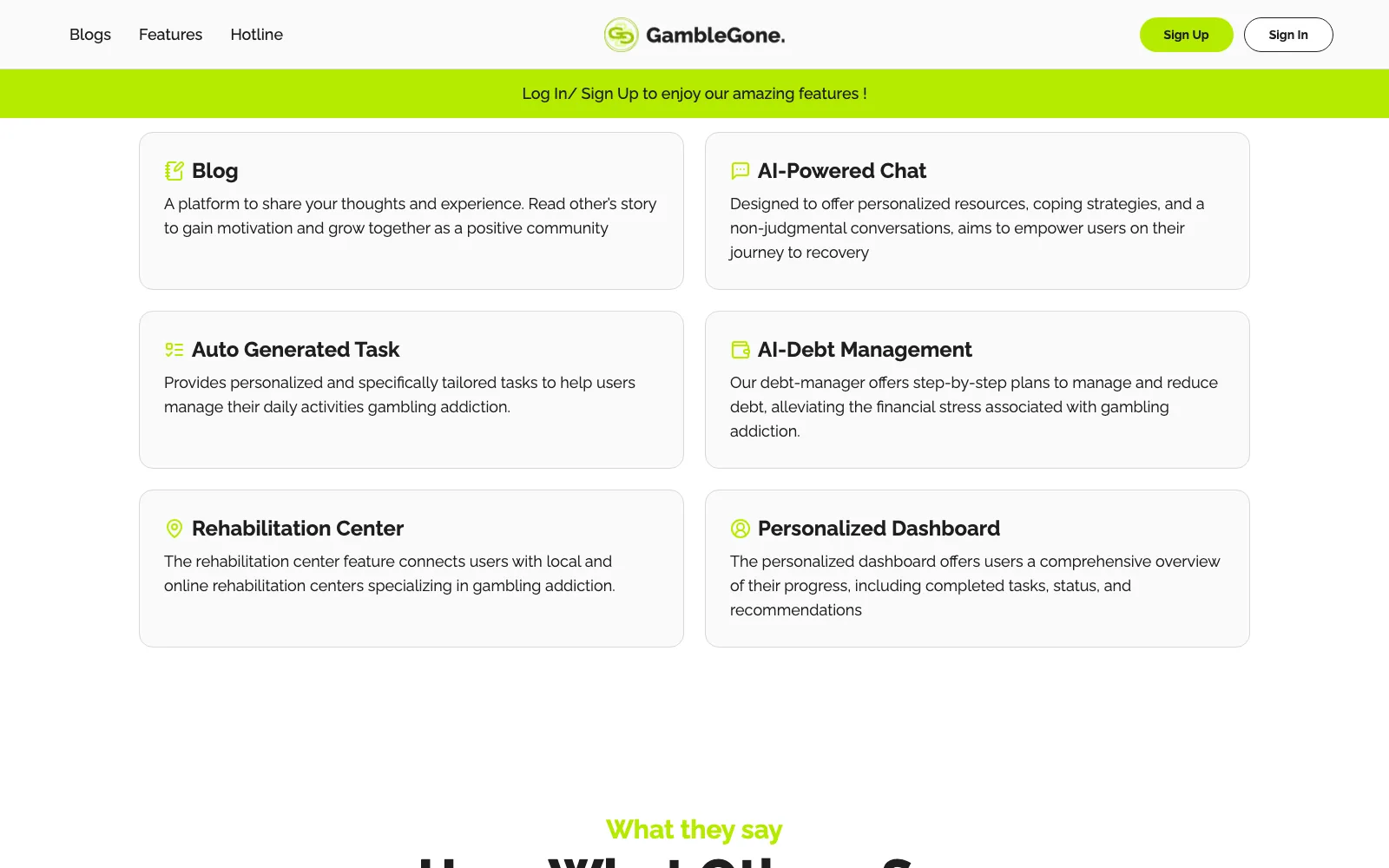
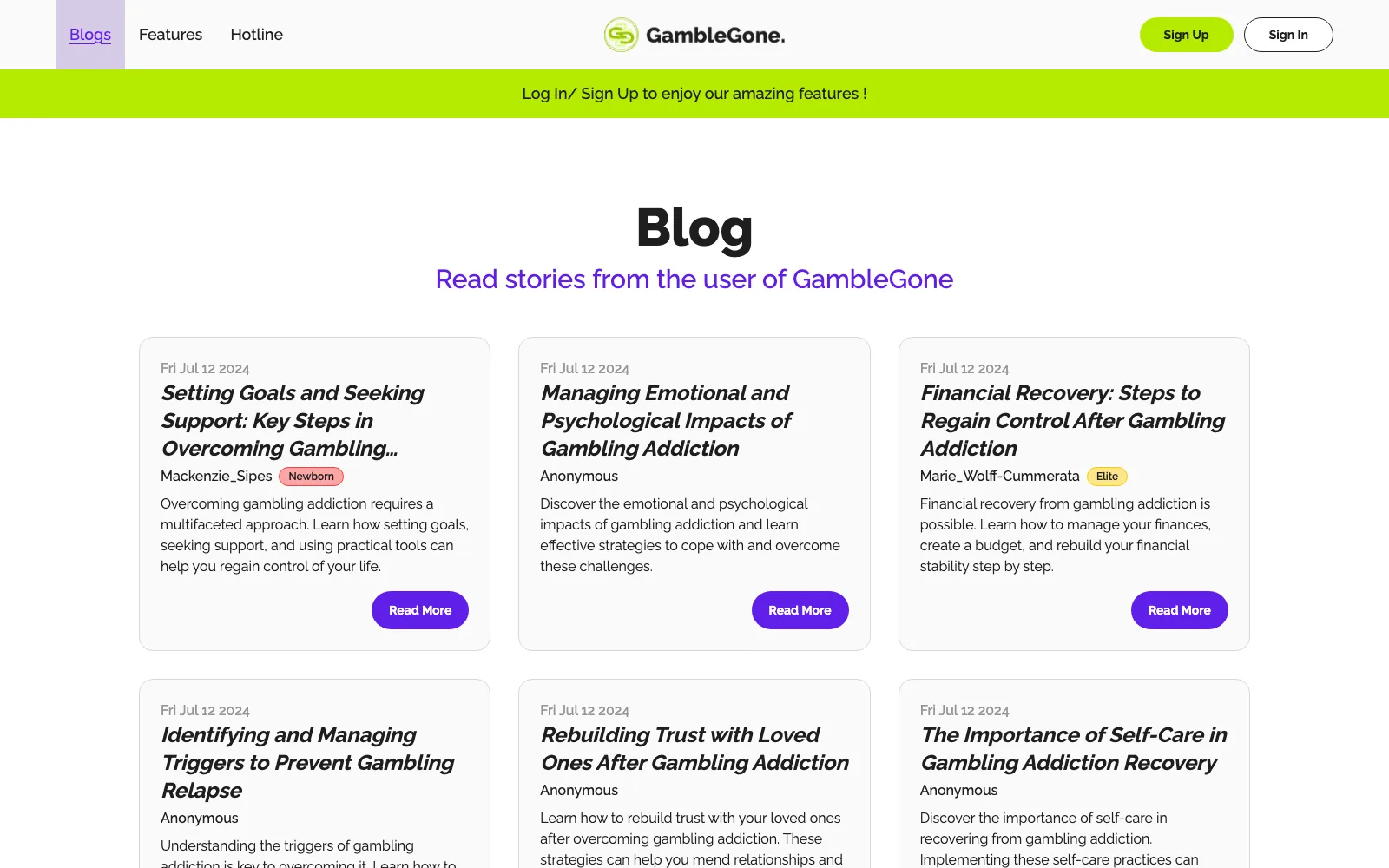
We wanted people to feel that they did not have to recover alone. The blog shared stories and guidance, the chatbot offered a place to begin talking, and the rehabilitation finder pointed users toward professional support.
Large changes can be intimidating, so we designed the daily tasks around a simpler idea: good things can begin with very small steps.
Making progress visible
My main contribution was the daily progress system and debt manager, alongside authentication, onboarding, and parts of the dashboard experience.
We used points and ranks to give users a positive reason to return. The goal was not to trivialize addiction. It was to turn the pull of visible progress toward healthier routines, one constructive action at a time.
The debt manager made financial progress tangible too. It let users record payments, acknowledge relapses, and see debt change over time instead of presenting recovery as a perfectly linear process.
We had only one hackathon weekend and spent much of it coding through the night. When we first deployed to Vercel, the application was unexpectedly slow. We eventually realized that our server was in America while most of our services and intended users were much closer to Indonesia.
It was a memorable lesson: infrastructure is not abstract. The physical location of a server can directly shape how a product feels to the person using it.
Our first hackathon result
GambleGone placed fourth in the Helping Hands track at Garuda Hacks 5.0. It was our first hackathon, and we entered without expecting to win anything after seeing the quality of the other teams.
Looking back, we focused too heavily on technical execution and not enough on communicating the product. I learned that a strong product also needs a clear understanding of its users and a story that helps other people understand why it should exist.
GambleGone taught me about time management, teamwork, and building under pressure. More importantly, it shifted my understanding of product engineering.
Engineering is not only about producing the best-performing implementation. It is also about choosing the right problem, understanding the person experiencing it, and making every technical decision support a story that matters.
What stayed with me
- Small progress can make recovery feel possible.
- Infrastructure has a geography, and users feel it.
- A strong product needs a strong user story, not only strong engineering.
Run it locally
Clone the source repository or download the project ZIP, then run these commands from the project folder.
Explore the complete project
Download the source, assets, and included documentation as a ZIP archive.
Database
$ docker compose up -d
App
$ cd web
$ cp .env.example .env
$ npm install
$ npx prisma generate
$ npx prisma migrate deploy
$ npm run seed
$ npm run dev

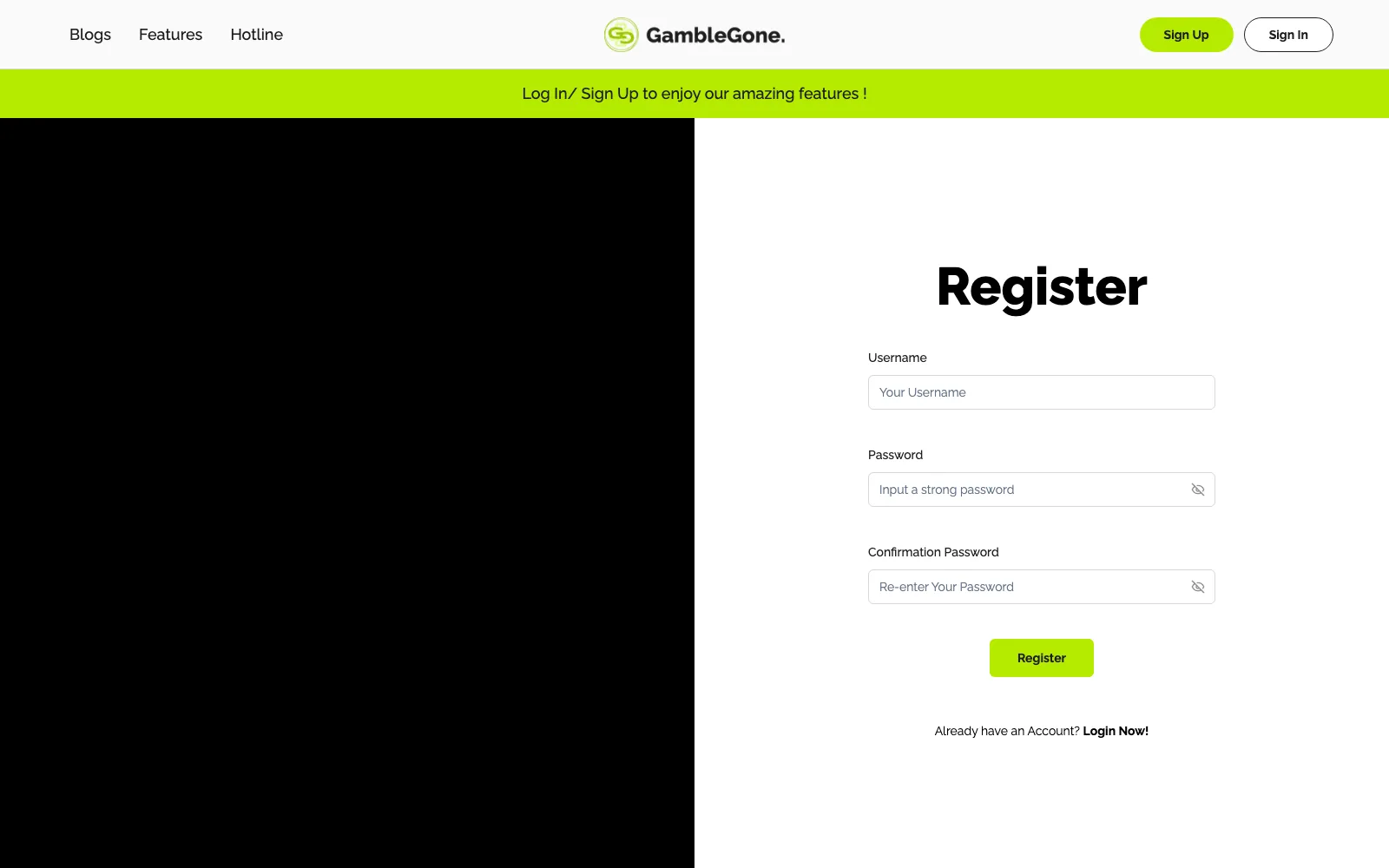
# open http://localhost:3000 and register an account
Optional: the AI features
# The therapist chat and debt analyser need ANTHROPIC_API_KEY and Upstash
# credentials in web/.env. Everything else runs without them.

# The 17 source PDFs for the vector index were trimmed from this download;
# point the ingest at your own documents if you want to rebuild the index.